



How do conductive electrodes achieve efficient energy transfer in modern industry and scientific research?
Release Time : 2026-03-12
Conductive electrodes, as indispensable key components in industrial and scientific research fields, play a central role in electrochemical reactions, energy conversion, and electronic devices. Metal composite conductive electrodes, with their superior conductivity, excellent corrosion resistance, and mechanical strength, have become a key factor in improving efficiency and reliability in modern technological applications. They are not only used in traditional electroplating, electrolysis, and electrochemical detection, but also widely applied in high-end fields such as new energy, semiconductor manufacturing, medical equipment, and environmental governance, providing a stable and efficient energy transfer path for industrial production and scientific research experiments.
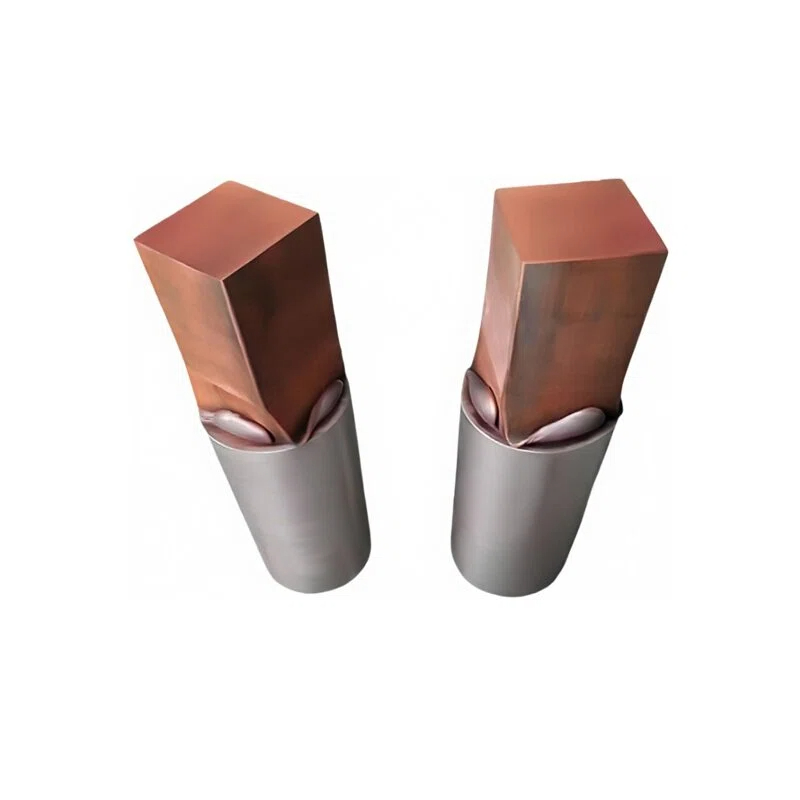
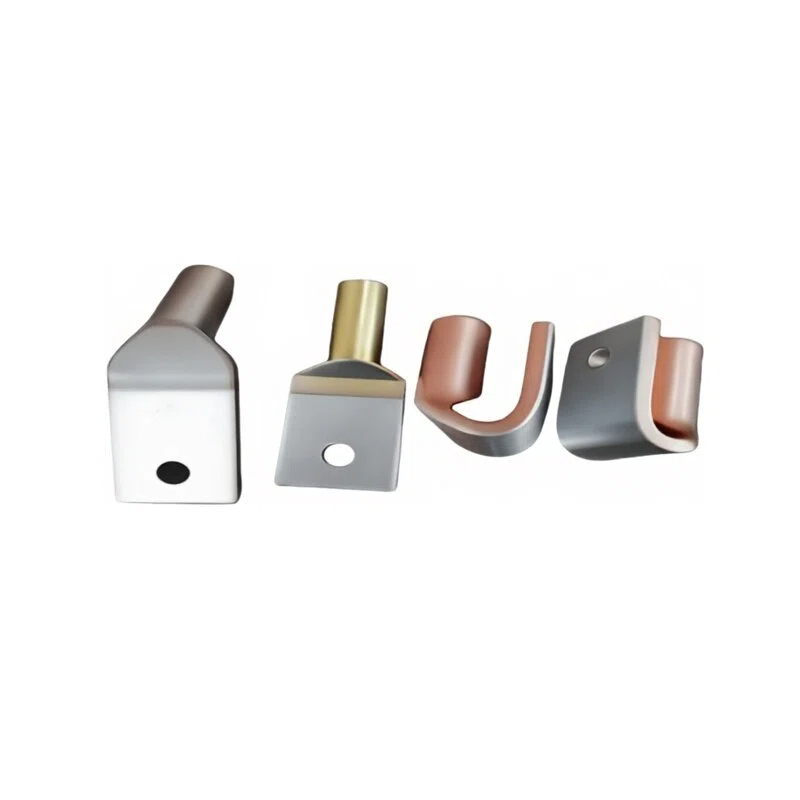
The core advantage of conductive electrodes lies in the selection and structural design of the metal composite material. Composite materials are typically formed by combining highly conductive metals with corrosion-resistant metals or alloys, using precision processes to create a uniform conductive interface, achieving an efficient electron transport path. The stability and consistency of the material ensure that the electrode maintains its conductivity even under high temperature, high pressure, or highly corrosive environments, significantly improving service life and reliability. The selection of metal composite materials considers not only conductivity but also mechanical strength and wear resistance, making the electrode less prone to deformation or wear during high-frequency use and long-term operation, thereby reducing maintenance costs and downtime risks. Surface treatment and structural optimization of conductive electrodes further enhance their performance. Through electroplating, spraying, or alloying, a uniform and dense conductive layer is formed on the electrode surface, improving electrochemical reaction efficiency and reducing energy loss. Microstructural design and pore control allow the electrodes to have a larger effective surface area during chemical reactions, enhancing reaction rate and uniformity. A well-designed shape not only facilitates installation and fixation but also optimizes current distribution in specific equipment, ensuring a stable and safe reaction process.
In industrial applications, the versatility and adaptability of conductive electrodes are particularly important. They provide efficient energy transfer in various scenarios such as electrolysis, electroplating, battery charging and discharging, and sensor detection, supporting continuous operation and high-intensity work. Their corrosion and wear resistance allows the electrodes to withstand complex environments such as acids, alkalis, and salts, playing a critical role in industries such as chemical, energy, and metallurgy. Modular and customized electrode designs can also meet the specific needs of different equipment and processes, achieving compatibility between efficient production and precision experiments.
In the scientific research field, conductive electrodes also play an irreplaceable role. High-performance electrodes provide stable current, ensuring the repeatability and accuracy of experimental results. In electrochemical analysis, novel materials research, and new energy battery development, the conductivity, durability, and reactivity of conductive electrodes directly impact experimental efficiency and result reliability. Researchers can optimize electrode materials and surface structures to adjust electron transport rates and achieve optimal performance under specific experimental conditions.
The application of conductive electrodes is particularly prominent in the new energy field. Metal composite material designs enable them to efficiently conduct electrons in lithium batteries, fuel cells, and supercapacitors, while withstanding high temperatures, high currents, and long-term cycling conditions, extending equipment lifespan and improving energy efficiency. The stability and high conductivity of the electrodes ensure the rapid charge and discharge capabilities of batteries, providing reliable support for smart grids, electric vehicles, and energy storage systems.
In environmental governance and the medical field, the precision performance of conductive electrodes is equally crucial. Water treatment, electrolytic disinfection, and environmental monitoring scenarios require electrodes to maintain conductivity and corrosion resistance over extended periods to ensure treatment efficiency and monitoring accuracy. In medical devices, electrodes need to combine biocompatibility and stable conductivity to ensure the safety and effectiveness of diagnostic and treatment processes. Through scientific design, metal composite material electrodes have achieved broad applicability across multiple scenarios.
Overall, conductive electrodes, as metal composite materials, provide reliable support for industrial production, scientific research, new energy development, and environmental governance through their excellent conductivity, corrosion resistance, mechanical strength, and structural optimization. Material selection and precision design ensure efficient energy transmission and long-term stability, while surface treatment and structural optimization further enhance reaction efficiency and durability. Modular and customizable characteristics enable the electrodes to meet the application needs of various scenarios and operating conditions, achieving high efficiency, safety, and precision in industrial and scientific research activities. Conductive electrodes are not only core components for electrical energy transmission but also important drivers of modern technological and industrial progress, providing solid technical support and sustainable development possibilities for various fields.
The core advantage of conductive electrodes lies in the selection and structural design of the metal composite material. Composite materials are typically formed by combining highly conductive metals with corrosion-resistant metals or alloys, using precision processes to create a uniform conductive interface, achieving an efficient electron transport path. The stability and consistency of the material ensure that the electrode maintains its conductivity even under high temperature, high pressure, or highly corrosive environments, significantly improving service life and reliability. The selection of metal composite materials considers not only conductivity but also mechanical strength and wear resistance, making the electrode less prone to deformation or wear during high-frequency use and long-term operation, thereby reducing maintenance costs and downtime risks. Surface treatment and structural optimization of conductive electrodes further enhance their performance. Through electroplating, spraying, or alloying, a uniform and dense conductive layer is formed on the electrode surface, improving electrochemical reaction efficiency and reducing energy loss. Microstructural design and pore control allow the electrodes to have a larger effective surface area during chemical reactions, enhancing reaction rate and uniformity. A well-designed shape not only facilitates installation and fixation but also optimizes current distribution in specific equipment, ensuring a stable and safe reaction process.
In industrial applications, the versatility and adaptability of conductive electrodes are particularly important. They provide efficient energy transfer in various scenarios such as electrolysis, electroplating, battery charging and discharging, and sensor detection, supporting continuous operation and high-intensity work. Their corrosion and wear resistance allows the electrodes to withstand complex environments such as acids, alkalis, and salts, playing a critical role in industries such as chemical, energy, and metallurgy. Modular and customized electrode designs can also meet the specific needs of different equipment and processes, achieving compatibility between efficient production and precision experiments.
In the scientific research field, conductive electrodes also play an irreplaceable role. High-performance electrodes provide stable current, ensuring the repeatability and accuracy of experimental results. In electrochemical analysis, novel materials research, and new energy battery development, the conductivity, durability, and reactivity of conductive electrodes directly impact experimental efficiency and result reliability. Researchers can optimize electrode materials and surface structures to adjust electron transport rates and achieve optimal performance under specific experimental conditions.
The application of conductive electrodes is particularly prominent in the new energy field. Metal composite material designs enable them to efficiently conduct electrons in lithium batteries, fuel cells, and supercapacitors, while withstanding high temperatures, high currents, and long-term cycling conditions, extending equipment lifespan and improving energy efficiency. The stability and high conductivity of the electrodes ensure the rapid charge and discharge capabilities of batteries, providing reliable support for smart grids, electric vehicles, and energy storage systems.
In environmental governance and the medical field, the precision performance of conductive electrodes is equally crucial. Water treatment, electrolytic disinfection, and environmental monitoring scenarios require electrodes to maintain conductivity and corrosion resistance over extended periods to ensure treatment efficiency and monitoring accuracy. In medical devices, electrodes need to combine biocompatibility and stable conductivity to ensure the safety and effectiveness of diagnostic and treatment processes. Through scientific design, metal composite material electrodes have achieved broad applicability across multiple scenarios.
Overall, conductive electrodes, as metal composite materials, provide reliable support for industrial production, scientific research, new energy development, and environmental governance through their excellent conductivity, corrosion resistance, mechanical strength, and structural optimization. Material selection and precision design ensure efficient energy transmission and long-term stability, while surface treatment and structural optimization further enhance reaction efficiency and durability. Modular and customizable characteristics enable the electrodes to meet the application needs of various scenarios and operating conditions, achieving high efficiency, safety, and precision in industrial and scientific research activities. Conductive electrodes are not only core components for electrical energy transmission but also important drivers of modern technological and industrial progress, providing solid technical support and sustainable development possibilities for various fields.