

-
2026-04-09 2026-04-09
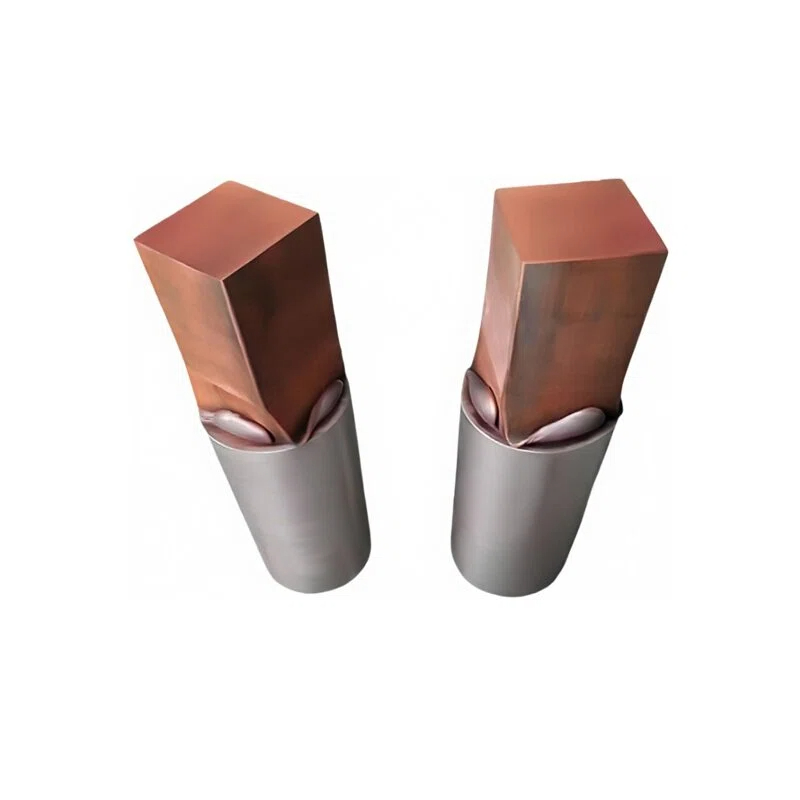
How do conductive electrodes overcome the performance contradiction between high conductivity and high strength?
In the intricate world of electrochemistry and electronic engineering, conductive electrodes are not only the gateways for current flow but also the core hubs determining energy conversion efficiency and system stability. -
2026-04-02 2026-04-02
How to Improve the Pressure Resistance and Corrosion Resistance of Pressure Vessels Through Material Selection?
In industrial production, pressure vessels are widely used for storing and transporting high-pressure gases or liquids. Their safety and service life directly depend on the choice of materials. -
2026-03-26 2026-03-26
How Do Titanium and Zirconium Alloys Compare in Corrosion Resistance for Chemical Processing Equipment?
In the demanding landscape of chemical processing, the integrity of equipment is paramount, as the failure of a single component due to corrosion can lead to catastrophic safety incidents, environmental hazards, and massive financial losses. -
2026-03-16 2026-03-16
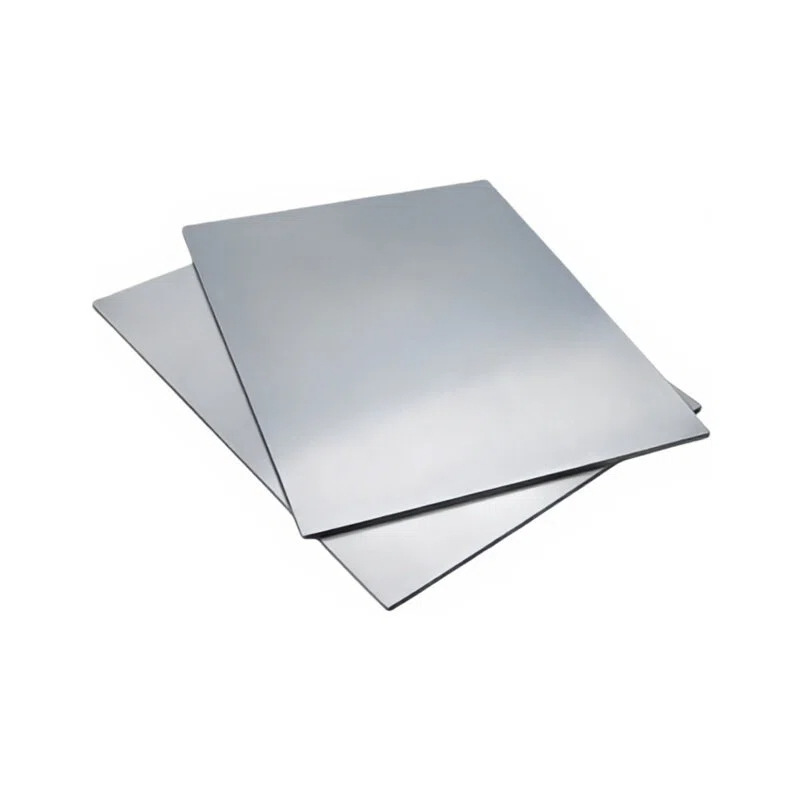
When non-ferrous metal plates are combined with other metals, how can the interfacial bonding performance be optimized?
The addition of alloying elements can also improve the fluidity of the base metal, reduce the preparation temperature and time of composite materials, and reduce the formation of defects at the interface. -
2026-03-12 2026-03-12
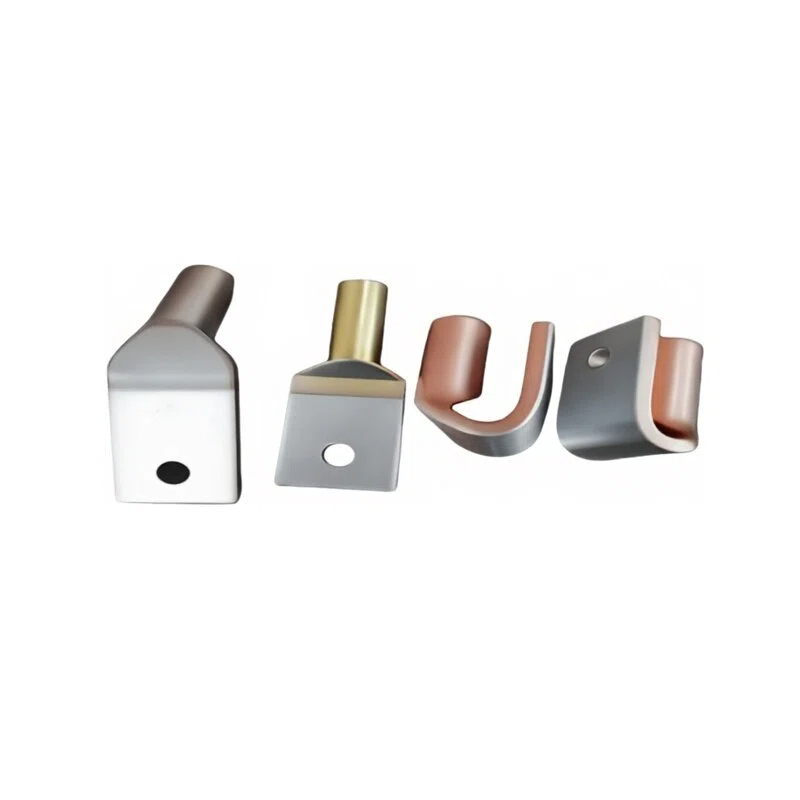
How do conductive electrodes achieve efficient energy transfer in modern industry and scientific research?
Conductive electrodes, as indispensable key components in industrial and scientific research fields, play a central role in electrochemical reactions, energy conversion, and electronic devices. -
2026-03-02 2026-03-02
How can the oxidation behavior of aluminum in metal composite materials at high temperatures be effectively suppressed through coating technology?
The core principle of coating technology in inhibiting oxidation lies in forming a dense, continuous oxide film that prevents oxygen from directly contacting the substrate.