


How do conductive electrodes overcome the performance contradiction between high conductivity and high strength?
Release Time : 2026-04-09
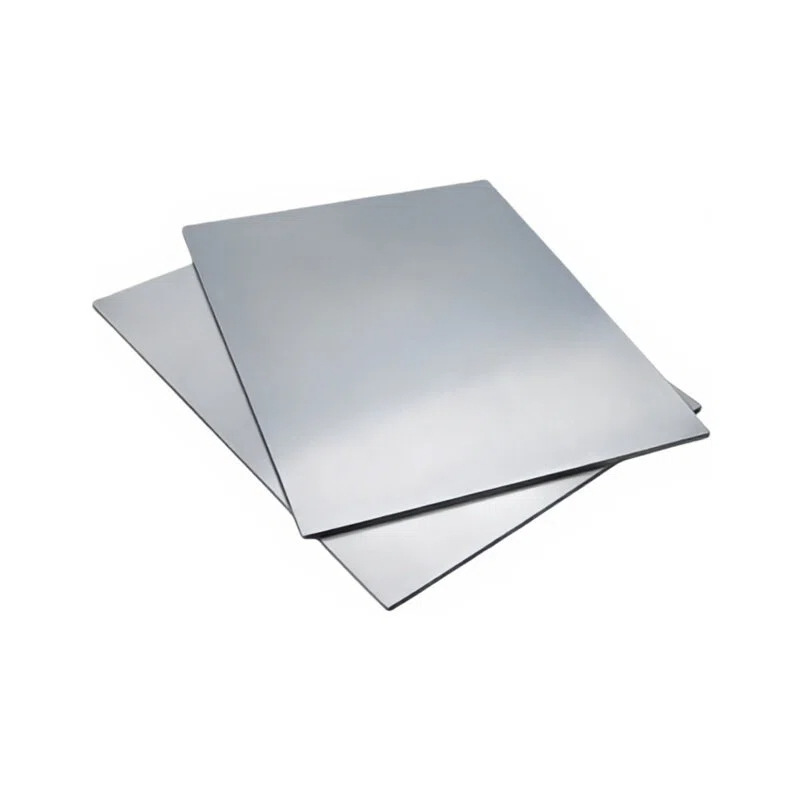
In the intricate world of electrochemistry and electronic engineering, conductive electrodes are not only the gateways for current flow but also the core hubs determining energy conversion efficiency and system stability. Traditional single-metal materials often struggle to simultaneously meet the multiple requirements of high conductivity, high strength, and corrosion resistance. The advent of metal composite electrodes, however, breaks this deadlock through ingenious "synergistic design." It fuses the physical and chemical advantages of different metals into one, giving the electrode multiple personalities. It can conduct current smoothly like pure copper while resisting the corrosive effects of harsh environments like a special alloy, thus demonstrating irreplaceable value in fields such as hydrometallurgy, new energy batteries, and high-end electronics manufacturing.
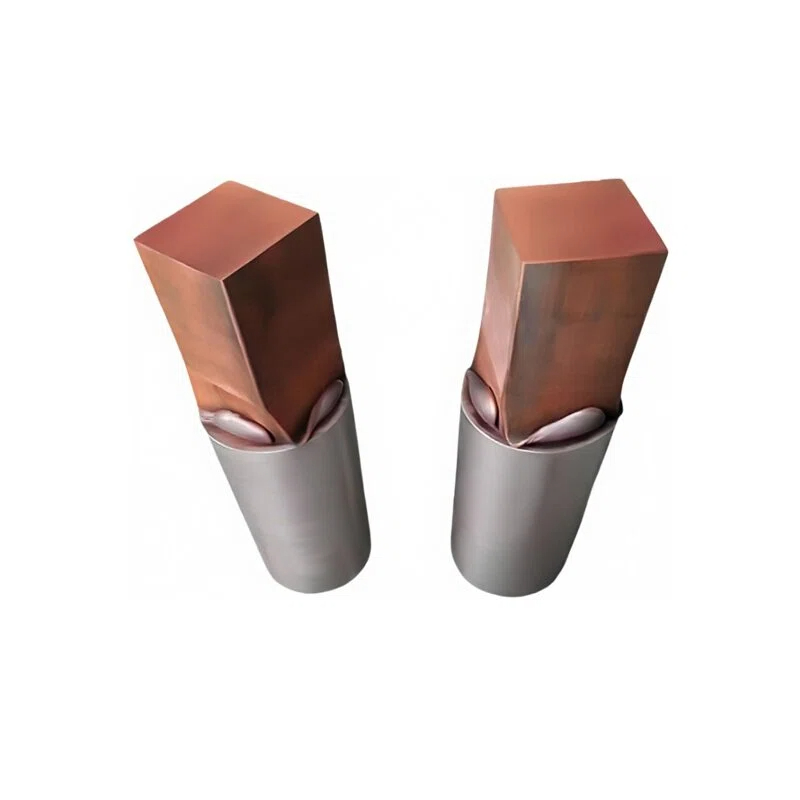
Interface engineering is key to the performance leap of metal composite electrodes. In systems such as titanium-aluminum composites or copper-iron composites, the bonding mode of different metal atoms at the interface directly determines the electrode's service life. Through advanced solid-liquid composite or explosive welding processes, scientists have constructed dense and robust metallurgical bonding layers between dissimilar metals, effectively preventing the excessive growth of harmful intermetallic compounds. This meticulously designed interface acts as a robust barrier, ensuring the free movement of electrons between layers, maintaining extremely low contact resistance, and preventing the base metal from corroding and dissolving in the electrolyte. This allows the electrode to maintain structural integrity and performance stability even under harsh conditions of strong acids and alkalis.
Innovative control of the structural configuration brings a perfect balance between strength and conductivity to conductive electrodes. In immiscible metal composites such as tungsten-copper or molybdenum-copper, researchers have constructed special layered or island-like microstructures. These structures allow a high-melting-point refractory metal framework to bear the load, while the highly conductive copper phase forms a continuous electron transport channel. This "rigid-flexible" architectural design prevents failure due to softening and deformation when facing high current impacts and mechanical stresses, while ensuring uniform current distribution. The layered configuration, like a layered cake, effectively suppresses crack propagation; while the spatially connected configuration, like an intricate overpass, allows electrons and heat to dissipate rapidly, greatly improving the overall service performance of the electrode. The functional gradient design concept further expands the adaptability of conductive electrodes to extreme environments. For certain applications, the electrode surface needs to possess extremely high wear resistance and arc erosion resistance, while the interior needs to maintain excellent electrical and thermal conductivity. The metal composite material, through the setting of a gradient transition layer, achieves a smooth transition of composition from the surface to the core, eliminating the huge internal stress caused by differences in thermal expansion coefficients. This design allows the electrode surface to form a dense protective film under high-voltage electrical contact or plasma bombardment, effectively resisting high temperatures and wear, while the interior continues to continuously deliver electrical energy, ensuring continuous and stable operation of the equipment under extreme conditions.
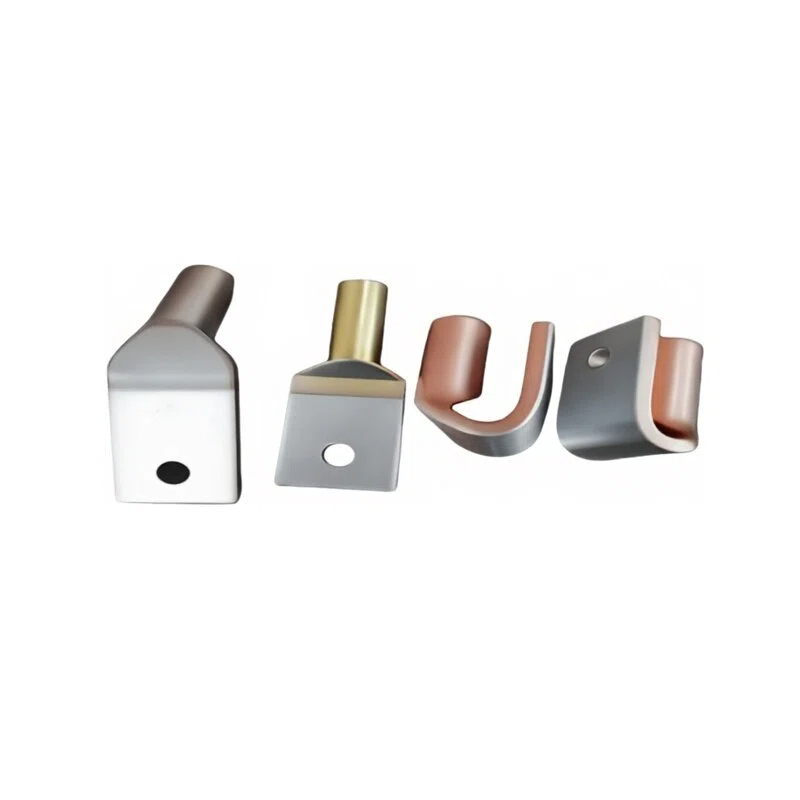
The dual optimization of cost and resources gives metal composite conductive electrodes extremely high market application value. Under the strategic background of "saving copper with aluminum," copper-aluminum composite electrodes utilize the low density and low cost advantages of aluminum to significantly reduce raw material costs and equipment weight while ensuring conductivity. This material not only solves the dilemma of copper resource scarcity but also shines in weight-sensitive fields such as aerospace and new energy vehicles due to its lightweight characteristics. Through precise continuous casting and rolling processes, inexpensive aluminum cores are encased within highly conductive copper foil. This retains the excellent contact properties of copper while leveraging the structural support of aluminum, achieving a perfect balance between economic efficiency and technical performance.
From atomic-level interface bonding to macroscopic control of microstructure, from smooth transitions in functional gradients to ultimate optimization of resource costs, metal composite conductive electrodes, with their ingenious design philosophy, have successfully resolved the performance contradiction between high conductivity and high strength, toughness, and corrosion resistance. They are no longer merely conductive metal, but a crystallization of materials science wisdom, a core driving force propelling the electrochemical industry towards greater efficiency, durability, and economy, writing a glorious chapter in modern industry with every electron leap.
Interface engineering is key to the performance leap of metal composite electrodes. In systems such as titanium-aluminum composites or copper-iron composites, the bonding mode of different metal atoms at the interface directly determines the electrode's service life. Through advanced solid-liquid composite or explosive welding processes, scientists have constructed dense and robust metallurgical bonding layers between dissimilar metals, effectively preventing the excessive growth of harmful intermetallic compounds. This meticulously designed interface acts as a robust barrier, ensuring the free movement of electrons between layers, maintaining extremely low contact resistance, and preventing the base metal from corroding and dissolving in the electrolyte. This allows the electrode to maintain structural integrity and performance stability even under harsh conditions of strong acids and alkalis.
Innovative control of the structural configuration brings a perfect balance between strength and conductivity to conductive electrodes. In immiscible metal composites such as tungsten-copper or molybdenum-copper, researchers have constructed special layered or island-like microstructures. These structures allow a high-melting-point refractory metal framework to bear the load, while the highly conductive copper phase forms a continuous electron transport channel. This "rigid-flexible" architectural design prevents failure due to softening and deformation when facing high current impacts and mechanical stresses, while ensuring uniform current distribution. The layered configuration, like a layered cake, effectively suppresses crack propagation; while the spatially connected configuration, like an intricate overpass, allows electrons and heat to dissipate rapidly, greatly improving the overall service performance of the electrode. The functional gradient design concept further expands the adaptability of conductive electrodes to extreme environments. For certain applications, the electrode surface needs to possess extremely high wear resistance and arc erosion resistance, while the interior needs to maintain excellent electrical and thermal conductivity. The metal composite material, through the setting of a gradient transition layer, achieves a smooth transition of composition from the surface to the core, eliminating the huge internal stress caused by differences in thermal expansion coefficients. This design allows the electrode surface to form a dense protective film under high-voltage electrical contact or plasma bombardment, effectively resisting high temperatures and wear, while the interior continues to continuously deliver electrical energy, ensuring continuous and stable operation of the equipment under extreme conditions.
The dual optimization of cost and resources gives metal composite conductive electrodes extremely high market application value. Under the strategic background of "saving copper with aluminum," copper-aluminum composite electrodes utilize the low density and low cost advantages of aluminum to significantly reduce raw material costs and equipment weight while ensuring conductivity. This material not only solves the dilemma of copper resource scarcity but also shines in weight-sensitive fields such as aerospace and new energy vehicles due to its lightweight characteristics. Through precise continuous casting and rolling processes, inexpensive aluminum cores are encased within highly conductive copper foil. This retains the excellent contact properties of copper while leveraging the structural support of aluminum, achieving a perfect balance between economic efficiency and technical performance.
From atomic-level interface bonding to macroscopic control of microstructure, from smooth transitions in functional gradients to ultimate optimization of resource costs, metal composite conductive electrodes, with their ingenious design philosophy, have successfully resolved the performance contradiction between high conductivity and high strength, toughness, and corrosion resistance. They are no longer merely conductive metal, but a crystallization of materials science wisdom, a core driving force propelling the electrochemical industry towards greater efficiency, durability, and economy, writing a glorious chapter in modern industry with every electron leap.