


Can metal composite materials break through the performance boundaries of single metals through multi-layered integration?
Release Time : 2026-02-02
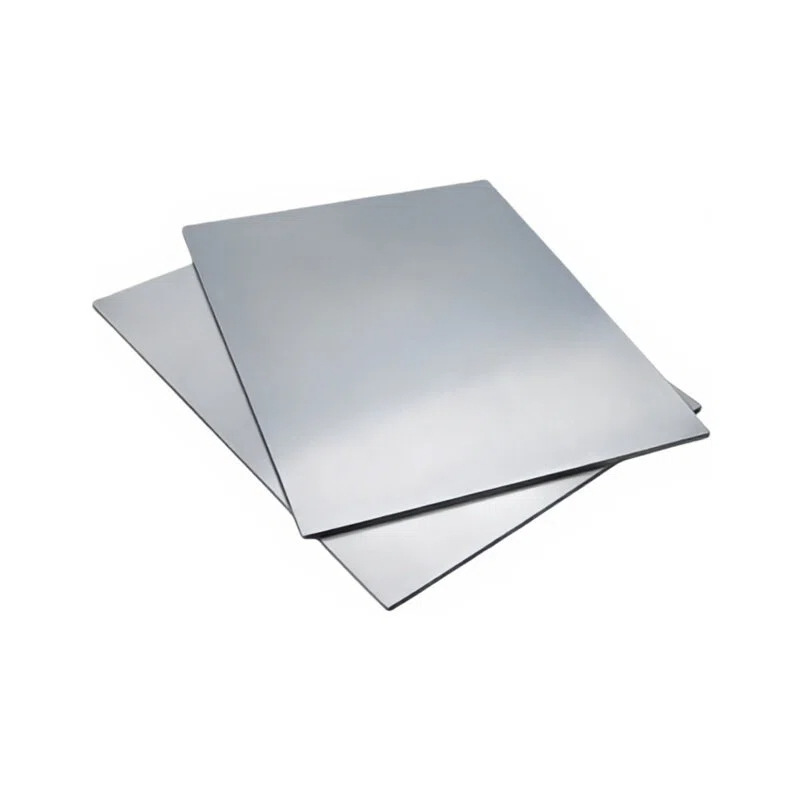
In high-end manufacturing, aerospace, energy and chemical engineering, and precision electronics, the requirements for materials have long surpassed the single dimension of "strength" or "heat resistance," instead pursuing the synergistic optimization of multiple properties such as lightweight, corrosion resistance, thermal and electrical conductivity, and thermal expansion matching. Metal composite materials—two- or three-layer structures formed by the advanced metallurgical bonding of aluminum, titanium, magnesium, zirconium, steel, nickel, and their alloys—are becoming key materials for solving complex engineering challenges due to their unique advantages of "combining rigidity and flexibility, and leveraging the strengths of each element." It is not a simple superposition, but rather a weaving of a new material language with complementary properties at the microscopic scale through atomic-level interfacial bonding.
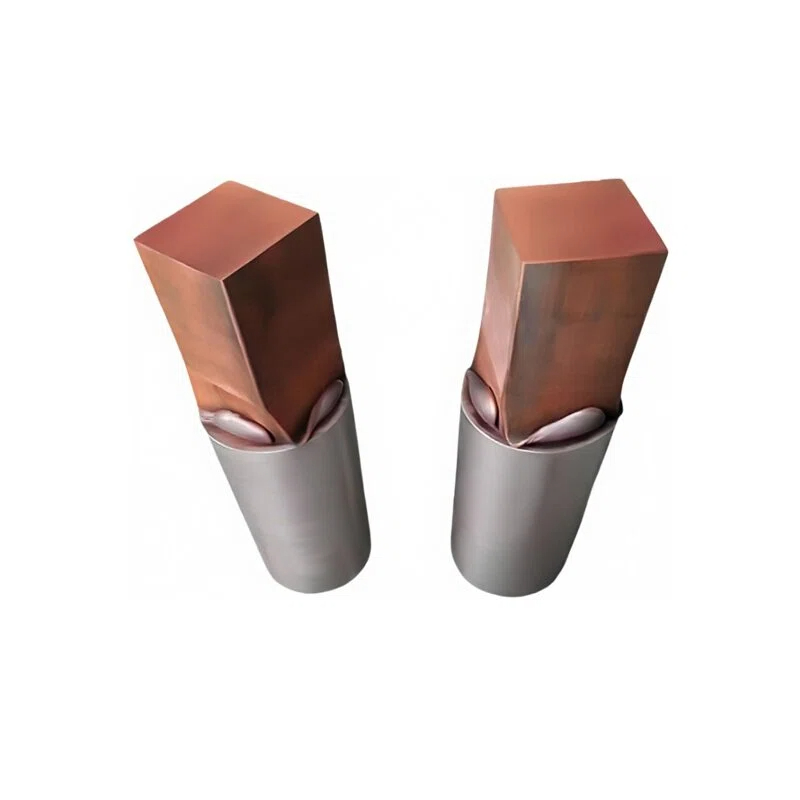
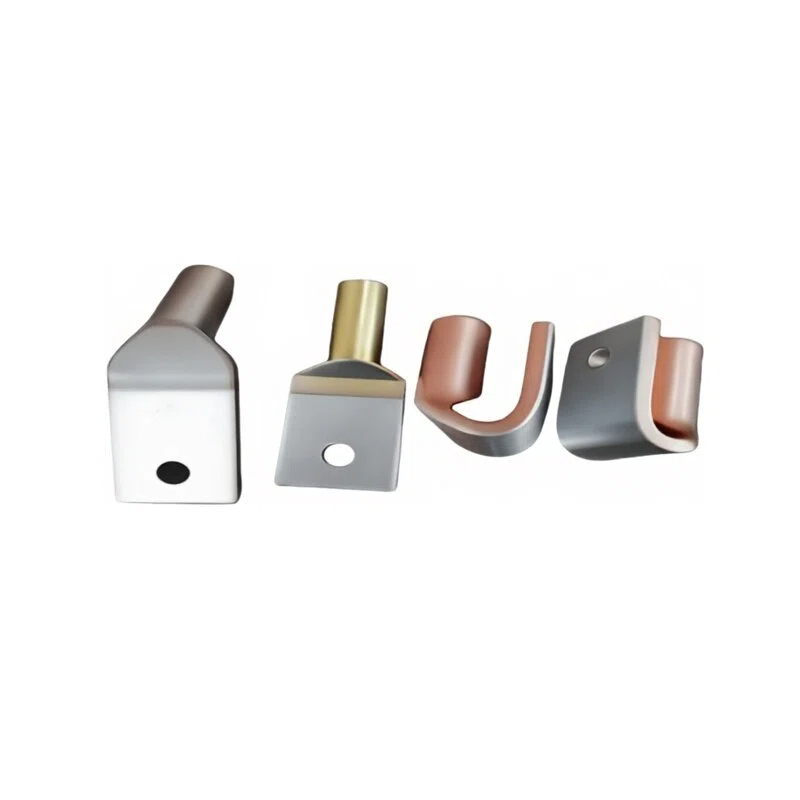
The core value of metal composite materials is primarily reflected in the synergistic effect of dissimilar metals. For example, combining the high strength and corrosion resistance of stainless steel with the lightweight and high thermal conductivity of aluminum can create lightweight and durable heat exchanger plates; titanium-steel composite plates combine the excellent corrosion resistance of titanium with the structural load-bearing capacity of steel, and are widely used in seawater desalination or chemical reactors; while copper-aluminum composite strips achieve a balance between high conductivity and low cost in new energy batteries. Each metal layer retains its own advantages, and through interfacial metallurgical bonding, stress, heat, and current are transferred, forming a comprehensive performance of "1+1>2".
In terms of manufacturing processes, advanced rolling, explosive bonding, or diffusion bonding technologies ensure clean and strong interfaces. Unlike mechanical riveting or adhesive bonding, true metal composite materials form a metallurgical bond at the interface through high temperature and pressure, resulting in a porous, inclusion-free, high-strength bond with good thermal cycling stability. The finished product undergoes rigorous testing, exhibiting a uniform and dense structure, and a smooth surface free of scratches, cracks, or pits, meeting stringent industrial application standards. This "intrinsically strong and externally refined" quality allows it to be directly used in critical load-bearing or sealing components without additional treatment. A deeper significance lies in its adaptability to extreme operating conditions. In deep-sea equipment, composite materials withstand high pressure and salt corrosion; in spacecraft thermal control systems, they coordinate the differences in thermal expansion between different components to prevent thermal stress cracking; in nuclear reactor internals, zirconium-stainless steel composite structures balance neutron absorption and structural strength. In these scenarios, a single metal often struggles to meet all requirements, while composite materials, with their "zonal functionalization" approach, provide system-level solutions.
Furthermore, customized production models support the implementation of innovative designs. Manufacturers can flexibly select substrate combinations, thickness ratios, dimensional specifications, and surface conditions based on domestic and international standards or specific technical requirements provided by customers, responding efficiently from laboratory samples to mass production. This "on-demand customization" capability allows R&D engineers to break through traditional material limitations, introducing composite thinking from the early stages of product design and driving technological iteration.
Ultimately, the value of a piece of metal composite material lies not in the number of metals it is composed of, but in how it allows conflicting requirements to coexist harmoniously within the same component. When rockets traverse the atmosphere, when battery packs efficiently dissipate heat, and when chemical pipelines operate safely for decades—behind all this lies the silent collaboration of multiple layers of metals in the microscopic world, using the wisdom of integration to overcome engineering challenges. Because in the logic of advanced materials, the real breakthrough is not finding a universal metal, but rather enabling different metals to play their perfect roles in the right places—a harmonious blend of rigidity and flexibility, united as one.
The core value of metal composite materials is primarily reflected in the synergistic effect of dissimilar metals. For example, combining the high strength and corrosion resistance of stainless steel with the lightweight and high thermal conductivity of aluminum can create lightweight and durable heat exchanger plates; titanium-steel composite plates combine the excellent corrosion resistance of titanium with the structural load-bearing capacity of steel, and are widely used in seawater desalination or chemical reactors; while copper-aluminum composite strips achieve a balance between high conductivity and low cost in new energy batteries. Each metal layer retains its own advantages, and through interfacial metallurgical bonding, stress, heat, and current are transferred, forming a comprehensive performance of "1+1>2".
In terms of manufacturing processes, advanced rolling, explosive bonding, or diffusion bonding technologies ensure clean and strong interfaces. Unlike mechanical riveting or adhesive bonding, true metal composite materials form a metallurgical bond at the interface through high temperature and pressure, resulting in a porous, inclusion-free, high-strength bond with good thermal cycling stability. The finished product undergoes rigorous testing, exhibiting a uniform and dense structure, and a smooth surface free of scratches, cracks, or pits, meeting stringent industrial application standards. This "intrinsically strong and externally refined" quality allows it to be directly used in critical load-bearing or sealing components without additional treatment. A deeper significance lies in its adaptability to extreme operating conditions. In deep-sea equipment, composite materials withstand high pressure and salt corrosion; in spacecraft thermal control systems, they coordinate the differences in thermal expansion between different components to prevent thermal stress cracking; in nuclear reactor internals, zirconium-stainless steel composite structures balance neutron absorption and structural strength. In these scenarios, a single metal often struggles to meet all requirements, while composite materials, with their "zonal functionalization" approach, provide system-level solutions.
Furthermore, customized production models support the implementation of innovative designs. Manufacturers can flexibly select substrate combinations, thickness ratios, dimensional specifications, and surface conditions based on domestic and international standards or specific technical requirements provided by customers, responding efficiently from laboratory samples to mass production. This "on-demand customization" capability allows R&D engineers to break through traditional material limitations, introducing composite thinking from the early stages of product design and driving technological iteration.
Ultimately, the value of a piece of metal composite material lies not in the number of metals it is composed of, but in how it allows conflicting requirements to coexist harmoniously within the same component. When rockets traverse the atmosphere, when battery packs efficiently dissipate heat, and when chemical pipelines operate safely for decades—behind all this lies the silent collaboration of multiple layers of metals in the microscopic world, using the wisdom of integration to overcome engineering challenges. Because in the logic of advanced materials, the real breakthrough is not finding a universal metal, but rather enabling different metals to play their perfect roles in the right places—a harmonious blend of rigidity and flexibility, united as one.