


How to improve densification and reduce porosity in the powder metallurgy preparation of non-ferrous metal plates?
Release Time : 2026-04-16
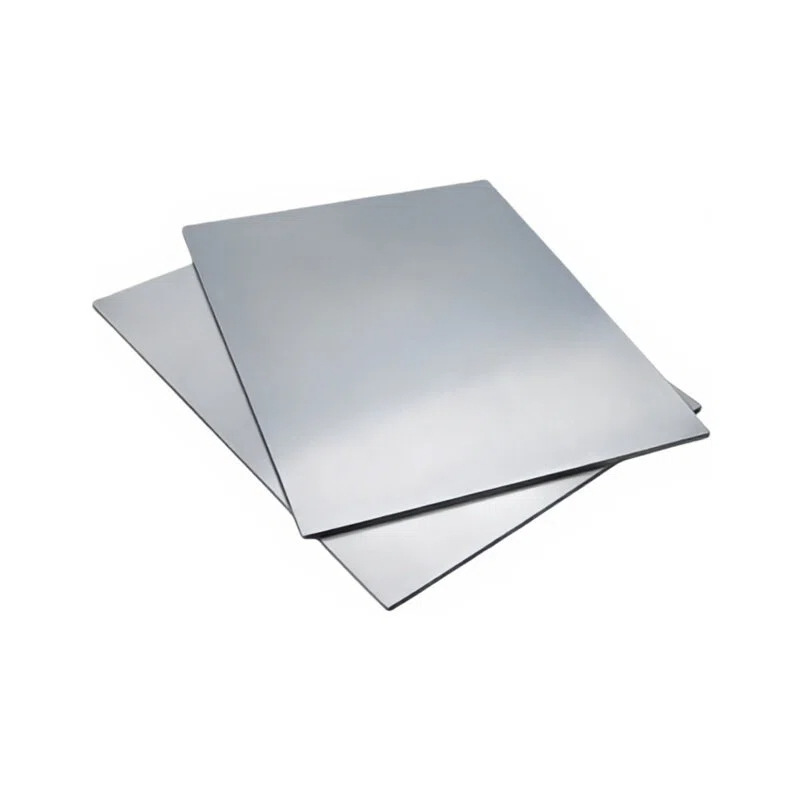
In the powder metallurgy preparation of non-ferrous metal plates, improving densification and reducing porosity are key steps to enhancing material properties. Plates, due to their high melting point and high hardness, face challenges in powder metallurgy preparation, such as weak interparticle bonding and difficulty in completely eliminating porosity. By optimizing powder characteristics, improving pressing processes, controlling sintering conditions, introducing post-processing techniques, optimizing powder mixing methods, selecting appropriate additives, and strictly controlling the preparation environment, the densification of plate materials can be significantly improved and porosity reduced.
Powder characteristics directly affect the densification effect. Using fine-grained, high-purity spherical plate powder can reduce interparticle voids and increase packing density. Fine powder has higher free energy during sintering, which is more conducive to interparticle diffusion and bonding, thus promoting densification. At the same time, high-purity powder can reduce the interference of impurities on the sintering process and avoid porosity formation caused by impurity volatilization or oxidation.
The pressing process is a key factor determining the green density. Increasing the pressing pressure allows powder particles to contact more closely, reducing initial porosity. However, it's important to note that excessive pressure can damage the mold or break up powder particles, negatively impacting densification. Therefore, a suitable pressing pressure must be selected based on powder characteristics and mold strength. Furthermore, employing bidirectional or multidirectional pressing techniques can improve uneven pressure distribution and further increase green body density.
Controlling sintering conditions is crucial for densification. High-temperature sintering promotes diffusion and bonding between particles, eliminating porosity. However, excessively high temperatures must be avoided to prevent excessive grain growth or material deformation. Extending sintering time can improve densification, but a balance must be struck between production efficiency and cost. Using a segmented sintering process—pre-sintering at a low temperature to remove gases and volatiles, followed by final sintering at a high temperature—can effectively reduce porosity and improve densification. Additionally, selecting a suitable sintering atmosphere, such as hydrogen or a vacuum environment, can prevent powder oxidation and promote sintering shrinkage.
Post-processing techniques are effective means to further enhance densification. Hot isostatic pressing (HIP) applies isotropic pressure to the material under high temperature and pressure, effectively closing internal pores and significantly improving densification. The re-pressing and re-sintering process further eliminates porosity and increases material density through repeated pressing and sintering. While these post-processing techniques increase production costs, they are crucial for applications with extremely high density and performance requirements.
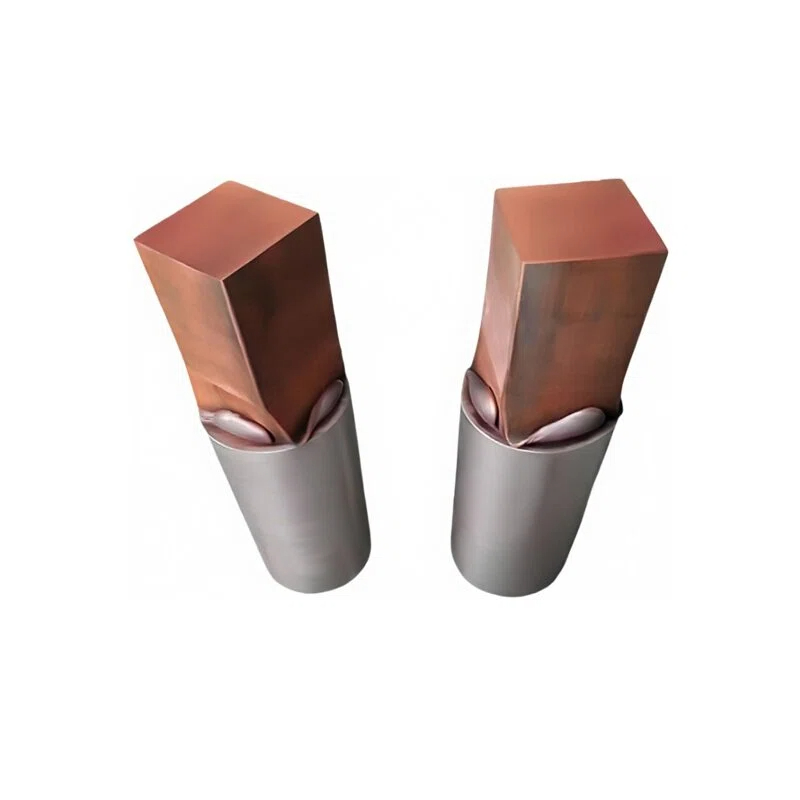
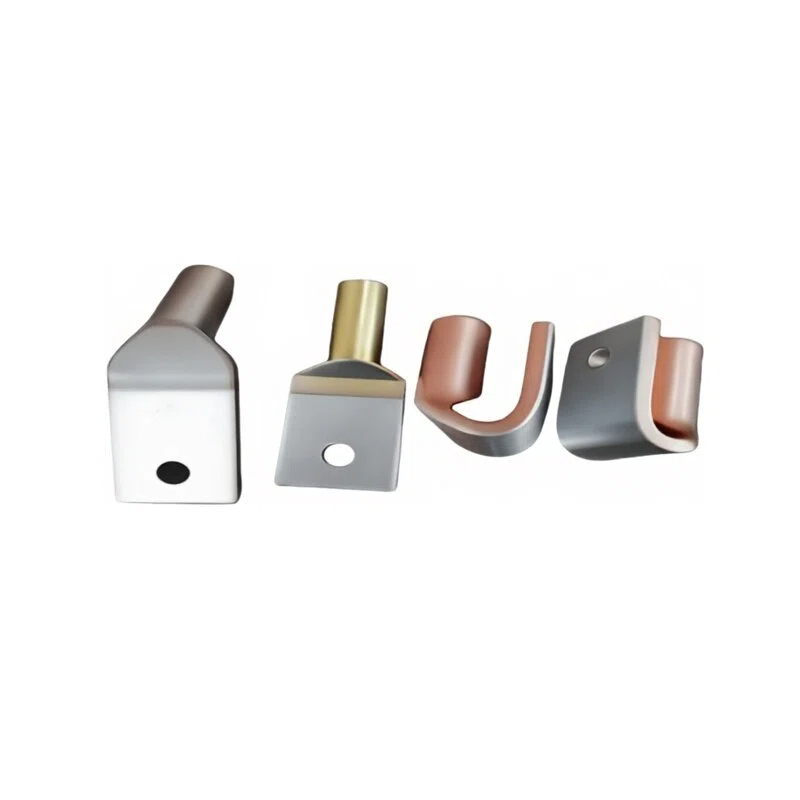
Optimizing powder mixing methods can improve mass migration during sintering. For composites such as copper plates, pre-mixing the two phases uniformly by enhancing powder mixing or using chemical precipitation coating methods can achieve a uniform distribution and desired characteristic structure. This helps reduce porosity formation caused by component segregation and improves overall densification.
The choice of additives also significantly affects densification. Activated sintering, by adding a small amount of activator (such as nickel or cobalt), can significantly lower the sintering temperature and promote interparticle bonding, thereby improving densification. Furthermore, the appropriate use of pore-forming agents can precisely control porosity in the preparation of porous materials, but in the preparation of dense materials, it is necessary to avoid porosity problems caused by their residue.
Strict control of the preparation environment is fundamental to reducing porosity. During powder preparation, it is necessary to prevent gas entrainment that could lead to the formation of hollow powder. During pressing and sintering, it is necessary to avoid poor interlayer bonding or inconsistent sintering degrees caused by insufficient local energy input or uneven temperature. By optimizing equipment, controlling process parameters, and strengthening process monitoring, the stability of the preparation environment can be ensured, thereby reducing porosity formation and improving densification.