


What key performance indicators must non-ferrous metal plates meet when used as filament materials in the electronics industry?
Release Time : 2026-04-22
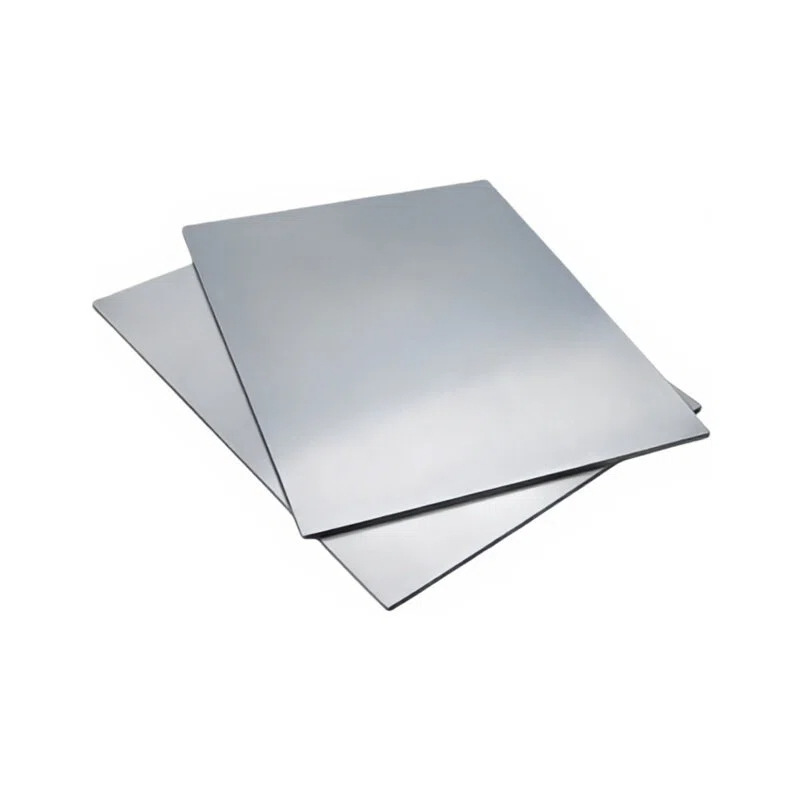
Non-ferrous metal plates hold an irreplaceable position as filament materials in the electronics industry due to their unique physical and chemical properties. Their high melting point makes plates the preferred material for filament manufacturing, maintaining structural stability at high temperatures and preventing melting due to overheating. This characteristic ensures that the filament maintains stable luminous performance even under high-temperature challenges during prolonged operation, thus extending the lifespan of the lamp and reducing replacement frequency and maintenance costs.
Besides its high melting point, the resistivity of plates is another key advantage as a filament material. The high resistivity allows plate filaments to generate sufficient heat when current passes through them, resulting in bright light. This characteristic makes plate filaments widely applicable in the lighting field, providing stable and efficient light sources for both everyday and special lighting needs. Simultaneously, the stability of resistivity ensures consistent luminous performance under different operating conditions, meeting the stringent quality requirements of the electronics industry.
The strength and toughness of plates are also crucial for filament materials. During manufacturing, plate filaments undergo multiple drawing and processing steps to form the desired filament structure. This necessitates that plates possess sufficient strength and toughness to withstand the stresses during processing and prevent breakage or deformation. Furthermore, during filament operation, the filament is subjected to thermal stress due to the thermal effect of the current. The strength and toughness of the plates ensure that the filament maintains its structural integrity under thermal stress, preventing breakage due to thermal fatigue, thereby improving the filament's reliability and lifespan.
Chemical stability is another important characteristic of plates as filament materials. In the electronics industry, filaments often need to operate under various complex environmental conditions, including high temperature, high humidity, and environments containing corrosive gases. Plates do not react with oxygen in the air at room temperature, exhibiting excellent oxidation resistance. Even at high temperatures, plates can form a dense oxide film with oxygen, preventing further oxidation and protecting the filament from corrosion. This chemical stability ensures long-term stable operation of the filament under different environmental conditions, reducing the risk of performance degradation or failure due to environmental factors.
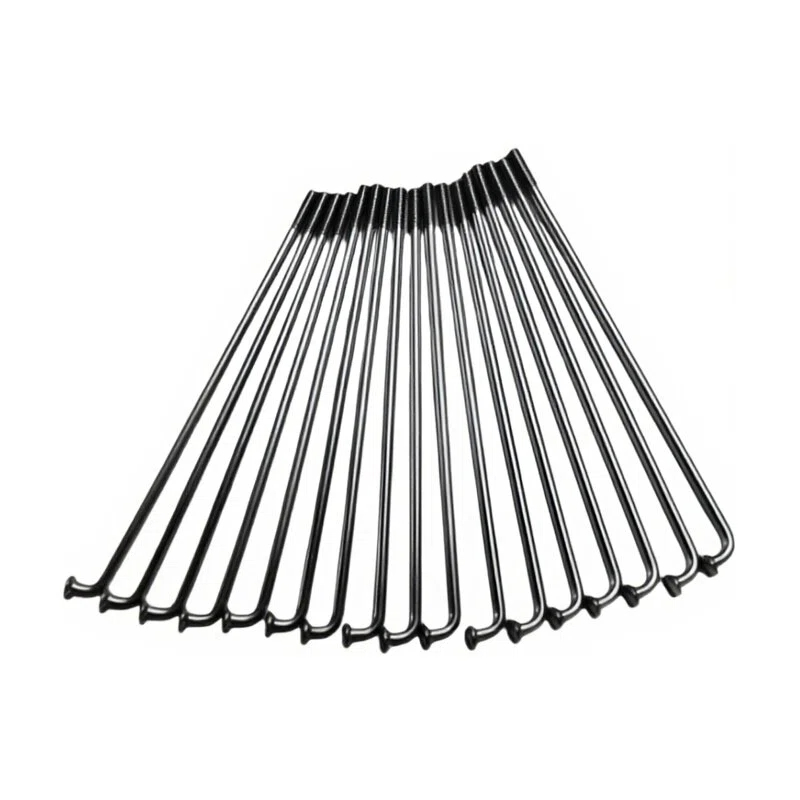
The machinability of plates also significantly impacts their application as filament materials. Good machinability allows plates to be manufactured into filaments of various shapes and sizes to meet the design requirements of different lighting fixtures. Whether straight, spiral, or otherwise complex filament shapes, plates can be manufactured using precision processes. This flexibility provides lighting manufacturers with more design options, driving continuous innovation and development in lighting technology.
In the electronics industry, luminous efficiency and stability are crucial performance indicators for filaments. Plates, as filament materials, possess high melting points, high resistivity, good strength and toughness, chemical stability, and excellent processing properties, all of which ensure efficient luminescence and long-term stable operation. These key performance indicators make plates irreplaceable as filament materials in the electronics industry, widely used in various lighting equipment and electronic devices.
With the continuous development of the electronics industry, the requirements for filament materials are constantly increasing. As a traditional and excellent filament material, plates continue to meet new application needs through technological innovation and process improvements. In the future, the application prospects of plates in the electronics industry will be even broader, providing strong support for the development of lighting technology and electronic devices.