


How do non-ferrous metal materials maintain stable performance in extreme environments?
Release Time : 2025-12-29
In modern high-end industrial systems, from deep space exploration to deep-sea operations, from nuclear reactor cores to aircraft engine combustion chambers, equipment often faces extreme conditions such as high temperature, high pressure, strong corrosion, high radiation, or drastic temperature changes. Under these harsh conditions, traditional metallic materials often fail rapidly. However, non-ferrous metal materials, represented by tungsten, molybdenum, tantalum, niobium, titanium, zirconium, hafnium, magnesium, aluminum, nickel, and their alloys, have become a key foundation for the reliable operation of cutting-edge technologies due to their unique physicochemical properties.
The stability of these non-ferrous metals in extreme environments stems primarily from their inherent material advantages. For example, tungsten and molybdenum have extremely high melting points and high-temperature strength, maintaining structural integrity even in incandescent environments and resisting softening or deformation. Tantalum and niobium exhibit excellent corrosion resistance, showing almost no reaction even in strong acids, strong alkalis, or molten salt media, thus finding widespread use in chemical and biomedical implant fields. Titanium and zirconium not only possess low density and high specific strength, but also exhibit excellent corrosion resistance in seawater, chloride ion environments, or high-temperature steam due to the spontaneous formation of a dense oxide film on their surfaces, making them ideal choices for marine engineering and nuclear power plant condensers.
Secondly, the microstructural stability of these materials is an intrinsic guarantee of their reliability. Advanced metallurgical processes such as vacuum melting, electroslag remelting, or electron beam refining can significantly reduce impurities and gas content, resulting in a uniform and dense grain structure. Furthermore, rational heat treatment and processing methods further optimize the phase distribution and defect control within the material, making it less prone to grain boundary slip, phase transformation embrittlement, or stress corrosion cracking during long-term service. For example, nickel-based superalloys, through solid solution strengthening and precipitation strengthening mechanisms, can withstand complex mechanical loads at temperatures close to their melting points and are widely used in gas turbine blades.
In addition, the multifunctional adaptability of non-ferrous metal materials enhances their performance in extreme environments with multi-field coupling. Certain alloy systems possess both excellent thermal conductivity and a low coefficient of thermal expansion, preventing thermal fatigue during severe thermal cycling. Some lightweight metals, such as magnesium and aluminum, while highly reactive, can significantly improve environmental resistance while maintaining their lightweight advantages through alloying and surface modification (e.g., micro-arc oxidation, anodizing). The precise control of neutron absorption cross-sections in materials like hafnium and zirconium makes them irreplaceable in the nuclear energy field.
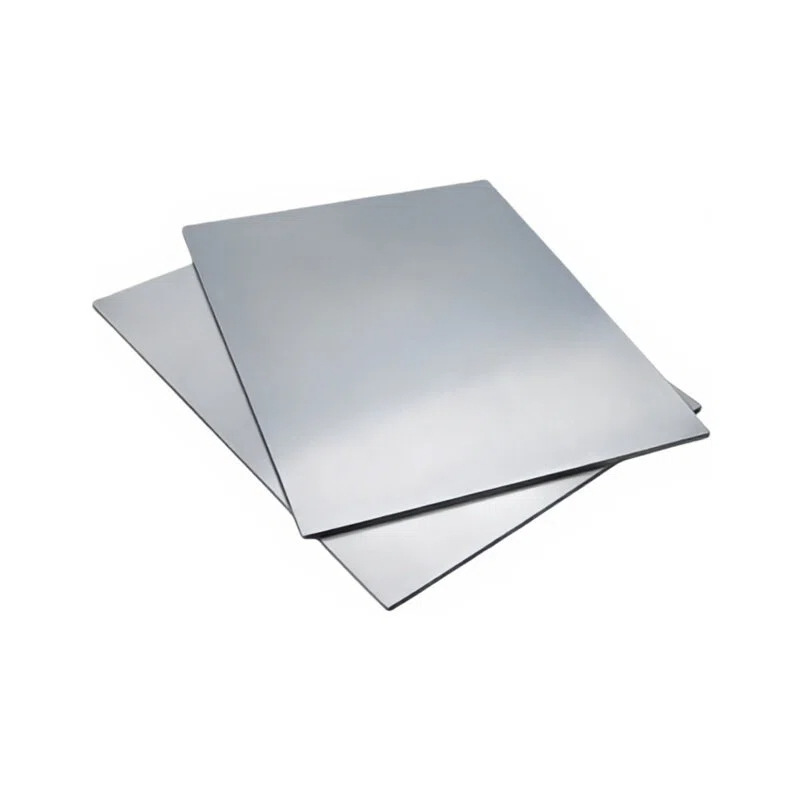
In practical applications, these materials are often precision-machined into critical components in the form of plates, bars, tubes, or wires. The manufacturing process strictly adheres to international or industry standards and can be customized to meet specific customer needs. From raw material purity control to the final product surface quality, every step is rigorously monitored to ensure the absence of defects such as scratches, cracks, and dents, thus preventing them from becoming the starting point of failure under extreme conditions.
More importantly, the stability of non-ferrous metal materials is not only reflected in their "non-deterioration" but also in their "predictable performance." Their creep behavior at high temperatures, electrochemical response in corrosive media, and swelling tendency in irradiated environments are all supported by a wealth of experimental data and theoretical models, enabling engineers to scientifically design safety margins and achieve reliable management throughout their entire lifecycle.
In summary, the ability of non-ferrous metal materials to withstand extreme environments is the result of the combined effects of their intrinsic material properties, advanced manufacturing processes, precision machining technologies, and systems engineering understanding. They may not be visible to the public, but they silently form the material foundation for humanity's exploration of limits, mastery of energy, and safeguarding of safety. In the future journeys into deep space, deep sea, clean energy, and advanced manufacturing, these "silent guardians" will continue to support the infinite possibilities of technological breakthroughs with their stable structure.
The stability of these non-ferrous metals in extreme environments stems primarily from their inherent material advantages. For example, tungsten and molybdenum have extremely high melting points and high-temperature strength, maintaining structural integrity even in incandescent environments and resisting softening or deformation. Tantalum and niobium exhibit excellent corrosion resistance, showing almost no reaction even in strong acids, strong alkalis, or molten salt media, thus finding widespread use in chemical and biomedical implant fields. Titanium and zirconium not only possess low density and high specific strength, but also exhibit excellent corrosion resistance in seawater, chloride ion environments, or high-temperature steam due to the spontaneous formation of a dense oxide film on their surfaces, making them ideal choices for marine engineering and nuclear power plant condensers.
Secondly, the microstructural stability of these materials is an intrinsic guarantee of their reliability. Advanced metallurgical processes such as vacuum melting, electroslag remelting, or electron beam refining can significantly reduce impurities and gas content, resulting in a uniform and dense grain structure. Furthermore, rational heat treatment and processing methods further optimize the phase distribution and defect control within the material, making it less prone to grain boundary slip, phase transformation embrittlement, or stress corrosion cracking during long-term service. For example, nickel-based superalloys, through solid solution strengthening and precipitation strengthening mechanisms, can withstand complex mechanical loads at temperatures close to their melting points and are widely used in gas turbine blades.
In addition, the multifunctional adaptability of non-ferrous metal materials enhances their performance in extreme environments with multi-field coupling. Certain alloy systems possess both excellent thermal conductivity and a low coefficient of thermal expansion, preventing thermal fatigue during severe thermal cycling. Some lightweight metals, such as magnesium and aluminum, while highly reactive, can significantly improve environmental resistance while maintaining their lightweight advantages through alloying and surface modification (e.g., micro-arc oxidation, anodizing). The precise control of neutron absorption cross-sections in materials like hafnium and zirconium makes them irreplaceable in the nuclear energy field.
In practical applications, these materials are often precision-machined into critical components in the form of plates, bars, tubes, or wires. The manufacturing process strictly adheres to international or industry standards and can be customized to meet specific customer needs. From raw material purity control to the final product surface quality, every step is rigorously monitored to ensure the absence of defects such as scratches, cracks, and dents, thus preventing them from becoming the starting point of failure under extreme conditions.
More importantly, the stability of non-ferrous metal materials is not only reflected in their "non-deterioration" but also in their "predictable performance." Their creep behavior at high temperatures, electrochemical response in corrosive media, and swelling tendency in irradiated environments are all supported by a wealth of experimental data and theoretical models, enabling engineers to scientifically design safety margins and achieve reliable management throughout their entire lifecycle.
In summary, the ability of non-ferrous metal materials to withstand extreme environments is the result of the combined effects of their intrinsic material properties, advanced manufacturing processes, precision machining technologies, and systems engineering understanding. They may not be visible to the public, but they silently form the material foundation for humanity's exploration of limits, mastery of energy, and safeguarding of safety. In the future journeys into deep space, deep sea, clean energy, and advanced manufacturing, these "silent guardians" will continue to support the infinite possibilities of technological breakthroughs with their stable structure.